For this trip, I promised myself to dive deep into the crafts of Rajasthan and discover as much as I could in the limited time I had. Among the many traditions, the art of Bandhani patterns has always been my favourite one ever since my childhood days. The beautiful dots, tied with precision, blossoming into vibrant patterns on flowing fabric, had long intrigued me—not just for their beauty, but for the stories and symbolism they carry. I wanted to go beyond just being a consumer and admiring Bandhani craft from afar. I decided instead, to experience in person this craft, and learn more about the world of these artisans, to see the painstaking process with my own eyes, to listen to their voices, and to understand how they preserve, pass on this timeless craft and how it has changed over the years.
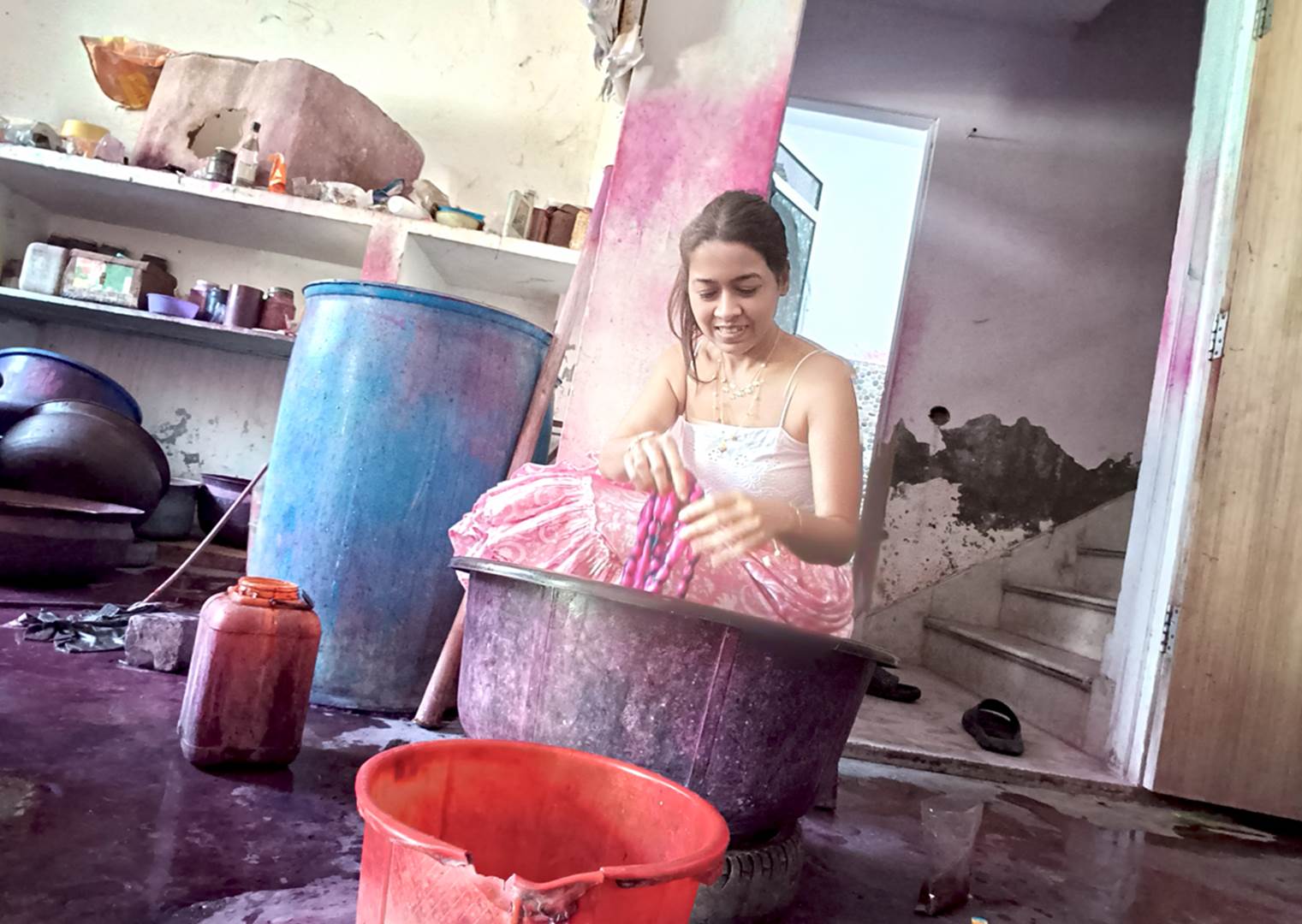
When I arrived at the workshop in Jaipur, I noticed that all the artisans were deeply absorbed in their crafting process; their focus didn’t shift while mixing different colors/dyes.
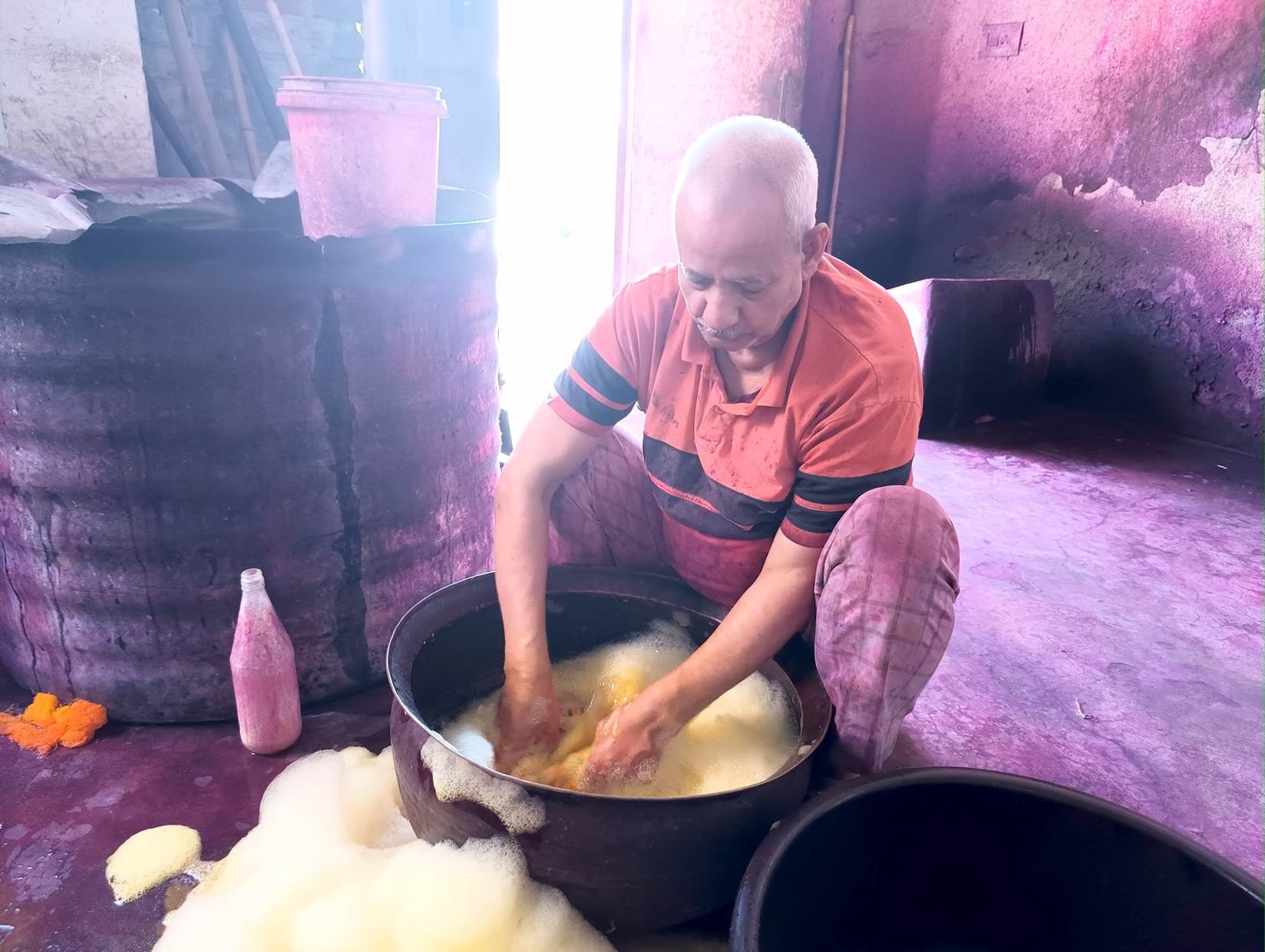
Most of my interaction was with the owner of the workshop, who warmly introduced himself and began explaining the process to me, step by step. I could feel a sense of pride while showing me around his workshop, a pride of someone who had lived this art all his life.
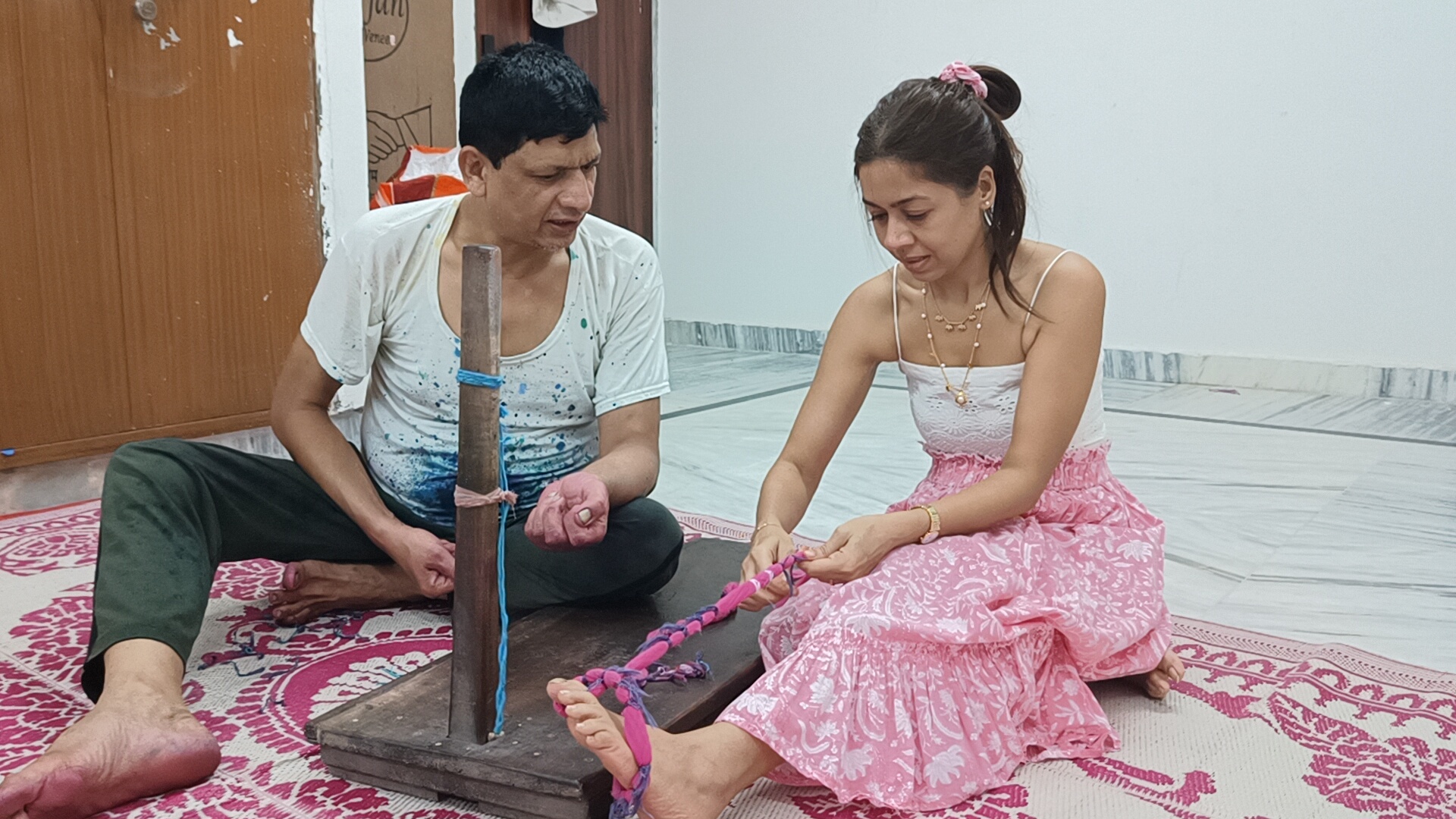
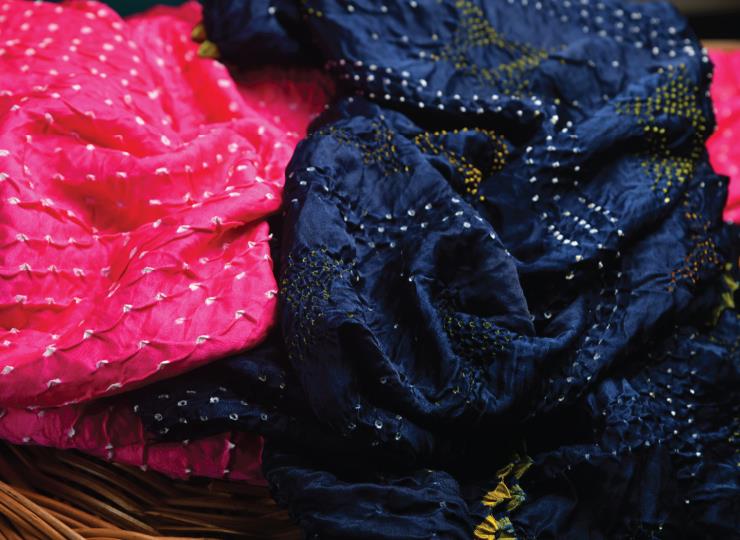
Bandhni is derived from a Sanskrit word ‘Bandh’ which means ‘to tie’. Bandhani, also known as Bandhej in India or Bandhna, is an age-old technique of tying and dyeing fabrics to create mesmerizing patterns. This ancient art form has been practiced in India for thousands of years. It is believed to have originated in the region of Sindh. Bandhani is known with different names across India, depending on the region— Bandhej, Piliya, and Chungidi (in Tamil Nadu), among others. Bandhani appears in diverse \tying styles such as Mothra, Ekdali, and Shikari, each with its own unique charm.
It’s interesting to know that Bandhani’s origins date back to the Indus Valley Civilization. Excavations at Mohenjo-daro reveal that people back then were not only advanced in architecture but equally skilled in creating beautifully dyed textiles.
Traces of bandhani can also be seen in the 6th-century Ajanta, which clearly shows that bandhani art has been through generations and still holds the power to charm people with its burst of colors and patterns.
Jaipur, Udaipur, Jodhpur, and Gujarat in India are considered the prime hubs for practicing this craft. It uses a variety of vibrant and joyful colors and, therefore, makes it a great choice during festivals and other religious or traditional ceremonies. The symbolic colors are Red, yellow, and green, each representing fertility, prosperity, and happiness. Bandhani dots are like tied blessings and are considered symbolic in Hindu tradition.
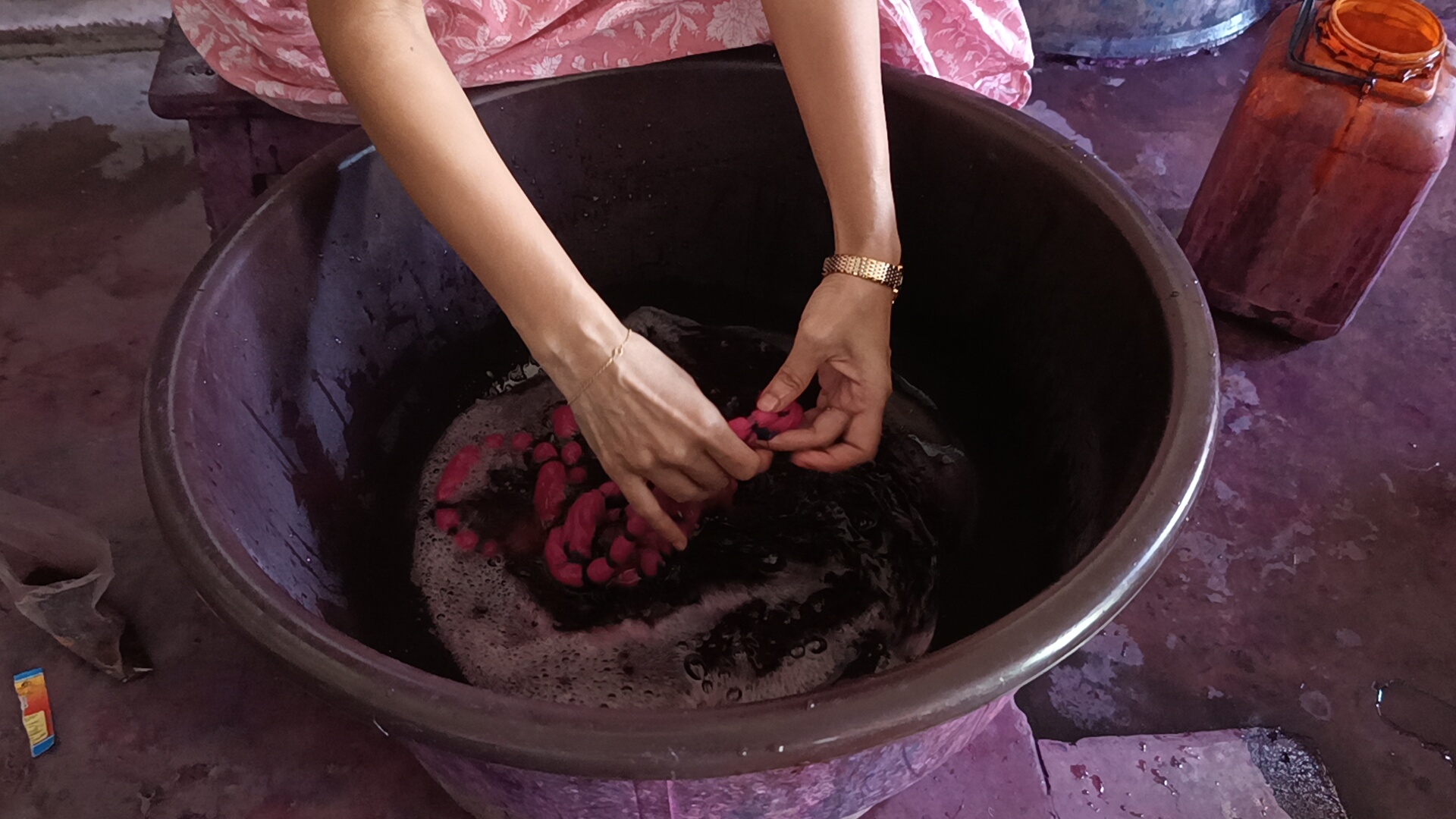
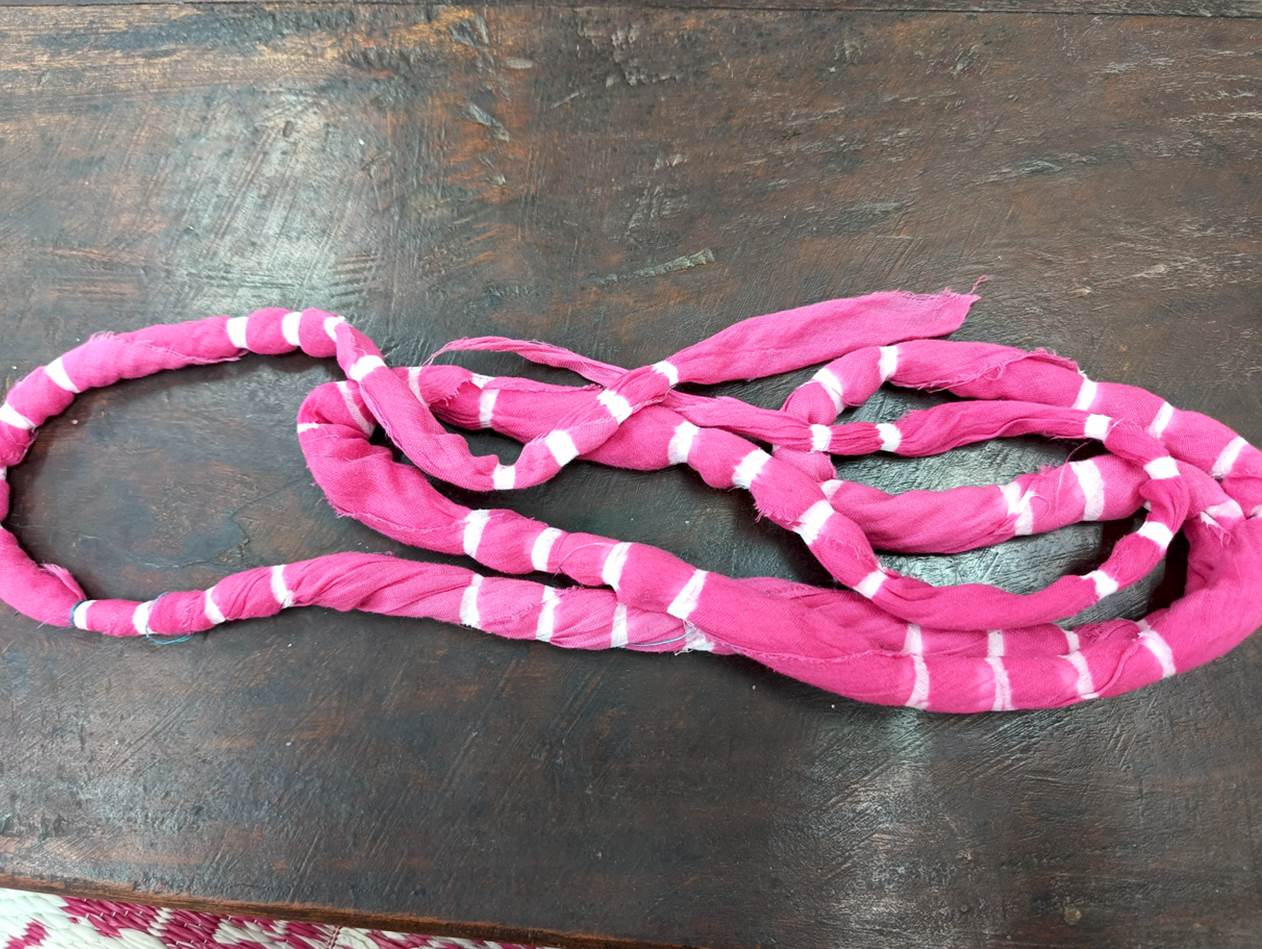
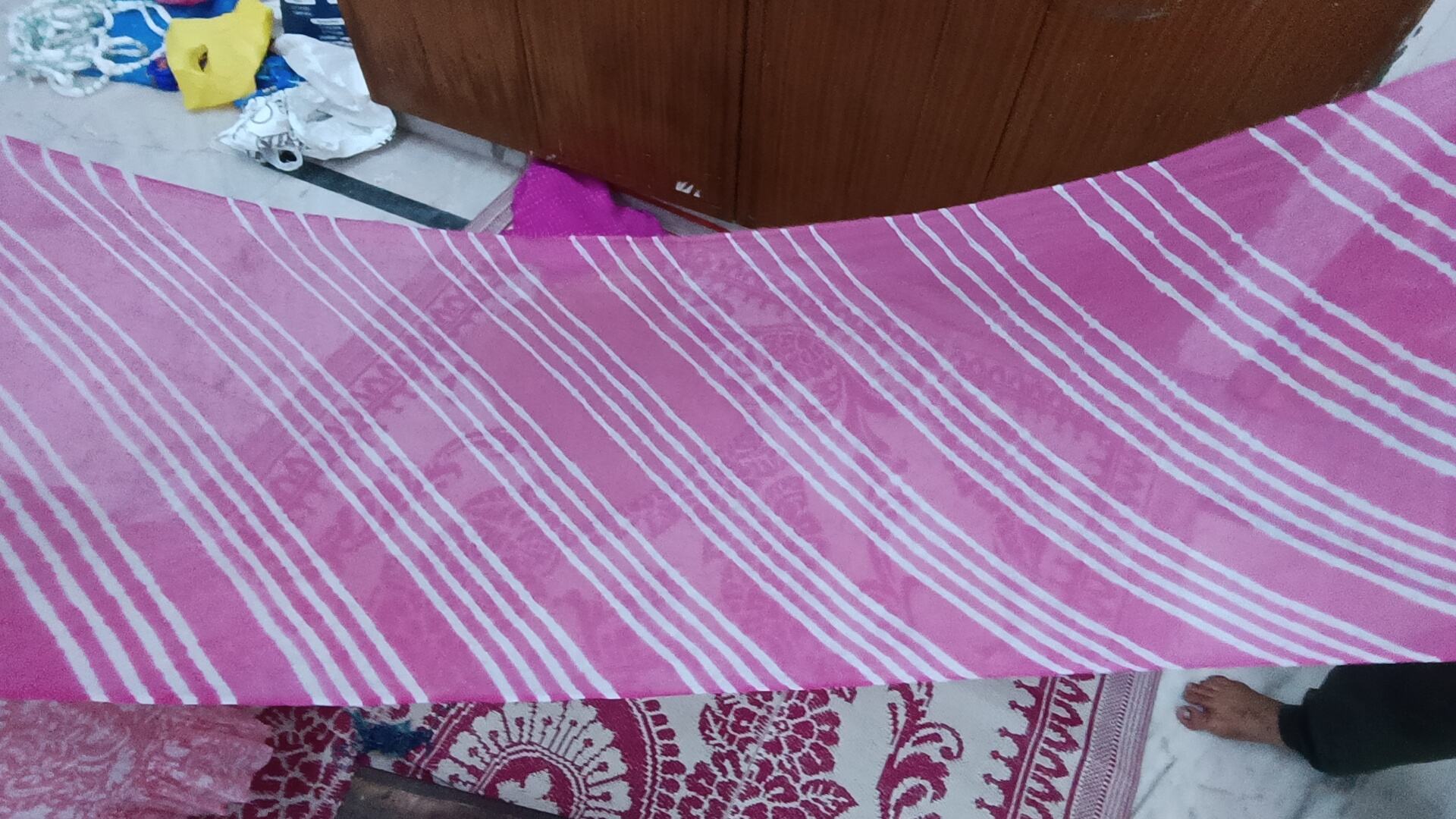
The process of Bandhana or Bandhani is a laborious one and multiple-step process.
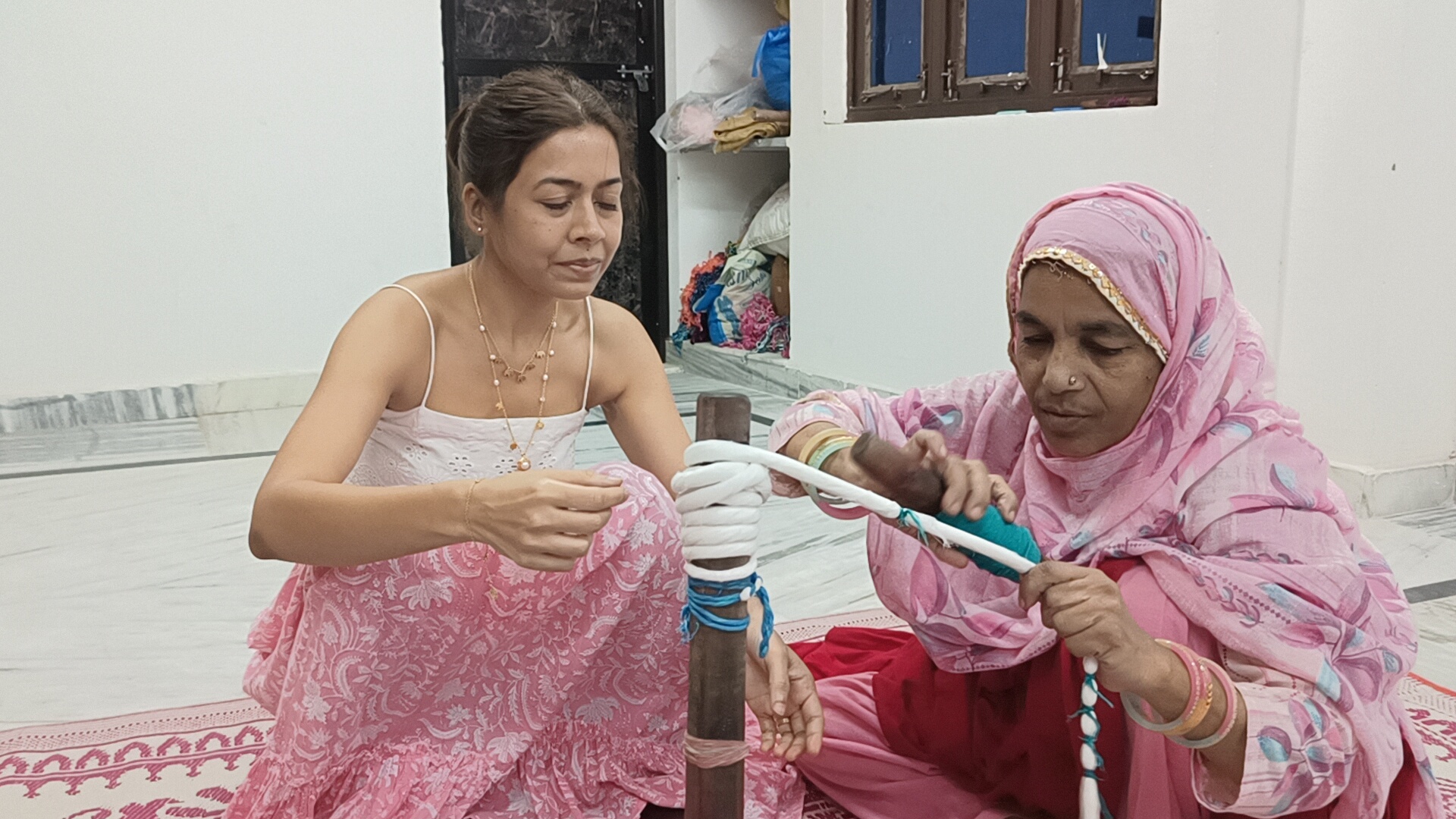
Nowadays, many imitation Bandhani fabrics are available in the market, but there are multiple ways to tell genuine Bandhani from the fake ones. One simple method is to run your hand over the fabric, you can feel tiny bumps where the threads were tied in the genuine fabric. Another clue is in the dots themselves; in real Bandhani, they are never perfectly uniform —there will be a slight variation, owing to handwork
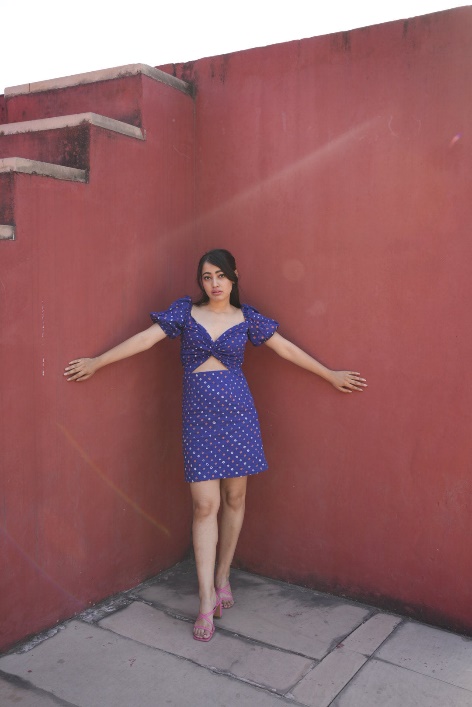
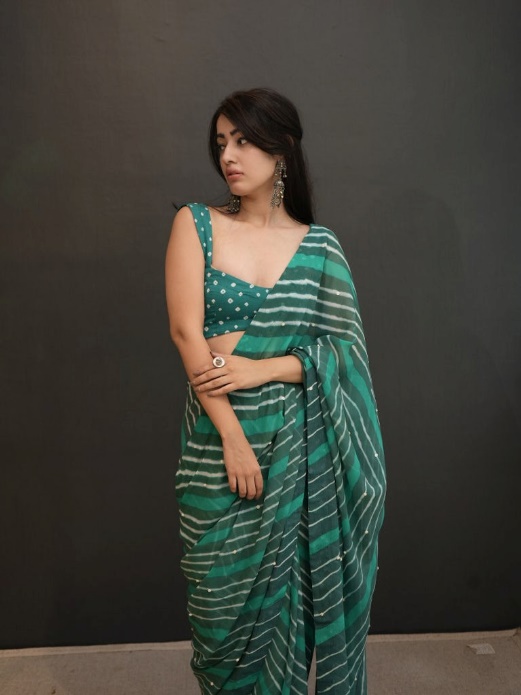
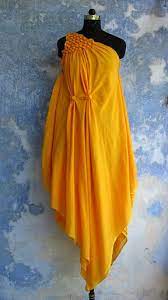
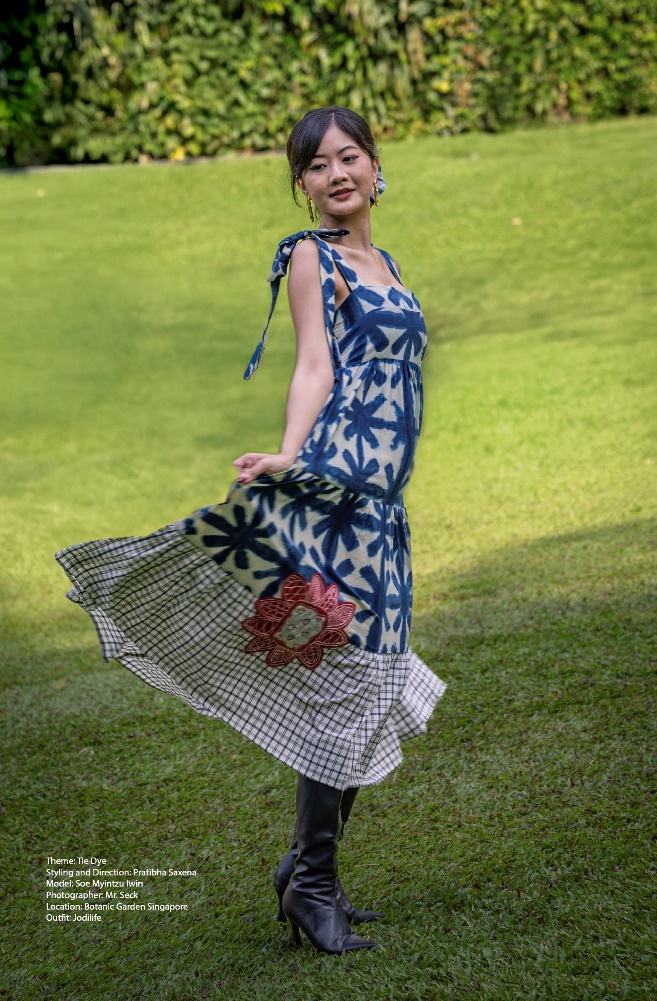
The Bandhani fabric can be used in many different ways, from traditional attire like sarees and dupattas to home décor and paintings. Nowadays, designers use this kind of fabric in modern silhouettes, which helps in keeping the traditional art forms alive and dynamic while at the same time helping it reach a global audience.
‘Bandhani’ can be styled and used in multiple ways, from traditional sarees to modern silhouettes
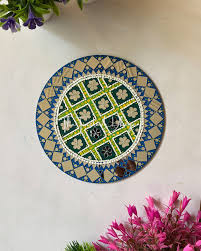
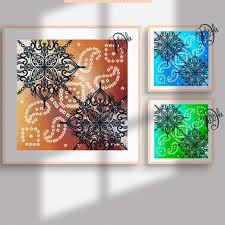
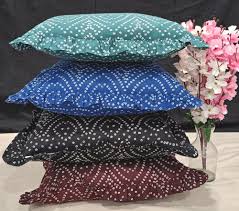
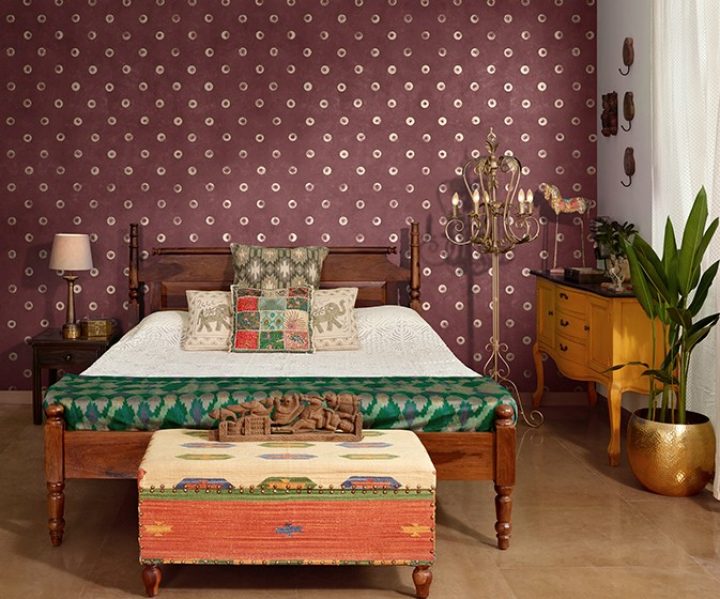
‘Bandhani’ is also used in home decor.
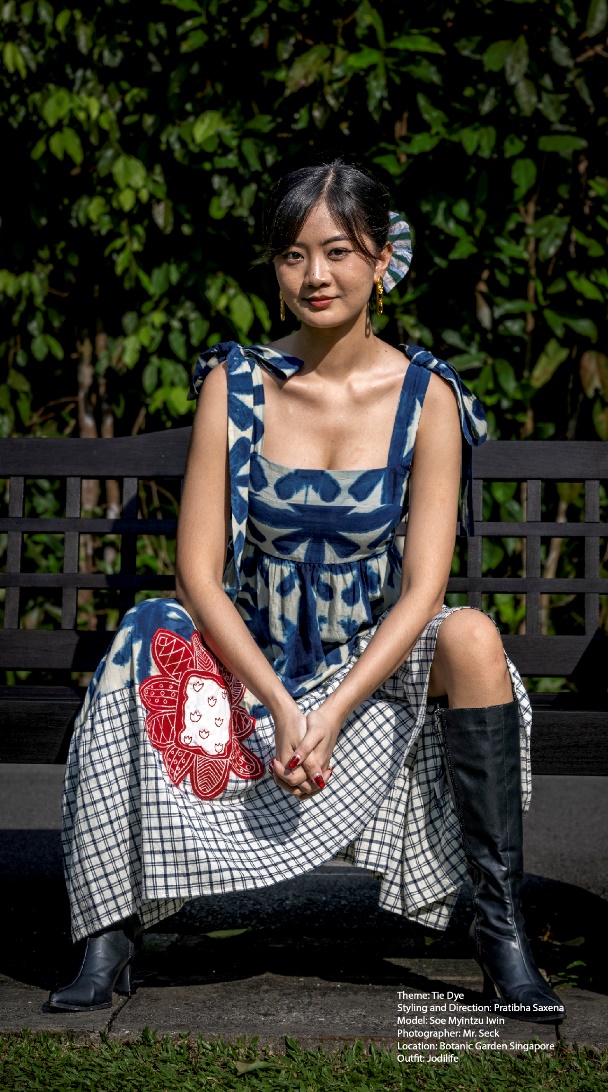
This tie-dye story isn’t just limited to India; the Tang Dynasty in China and Japan’s Nara period were practicing similar dyeing techniques. In Japan, it is known as ‘Shibori’ and ‘Plangi’ in Malaysia.it’s fascinating to know how the human race is interconnected, creativity and art travel from region to region! However, Bandhani continues to be a living art form in India and carries huge significance in local heritage and traditions.