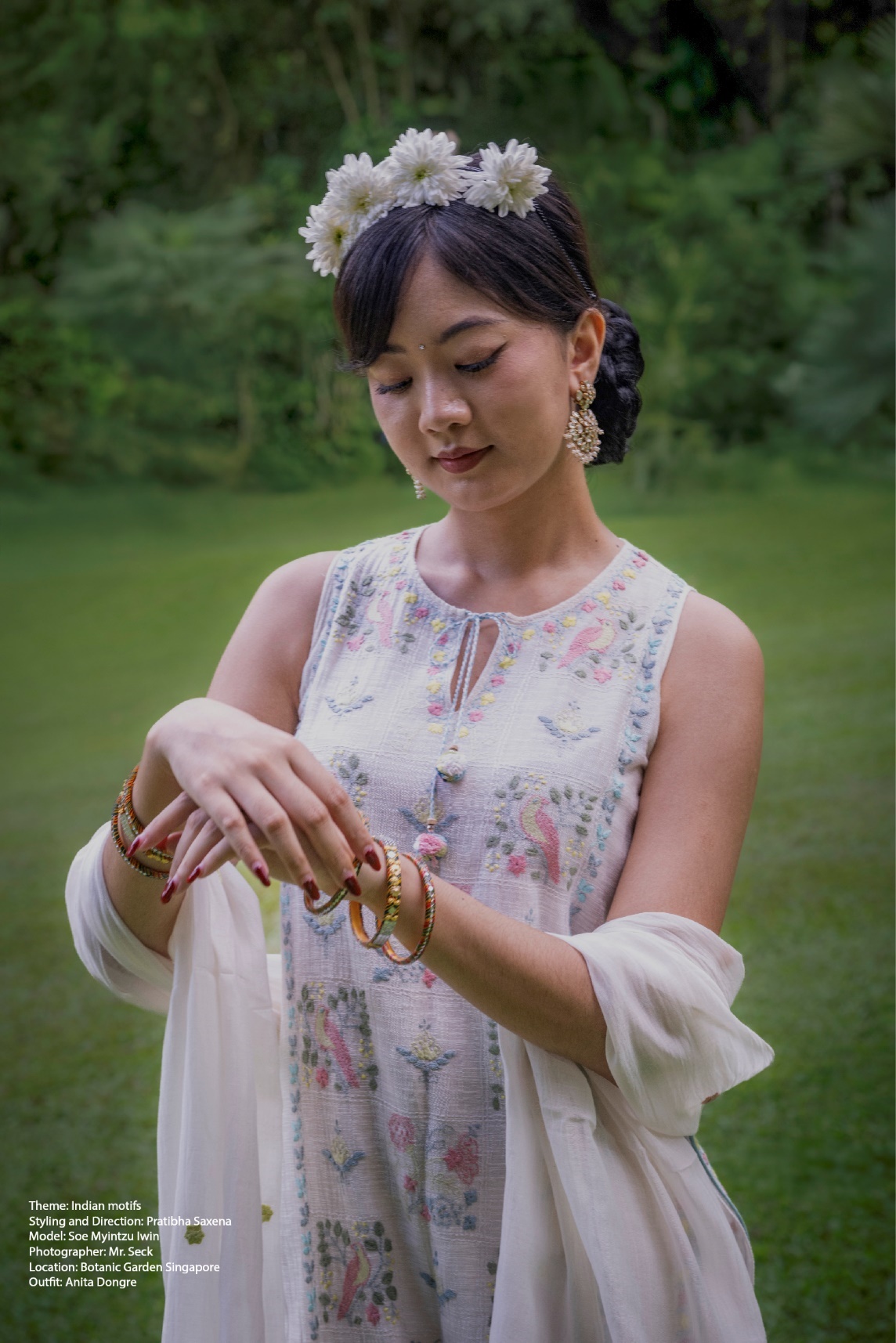
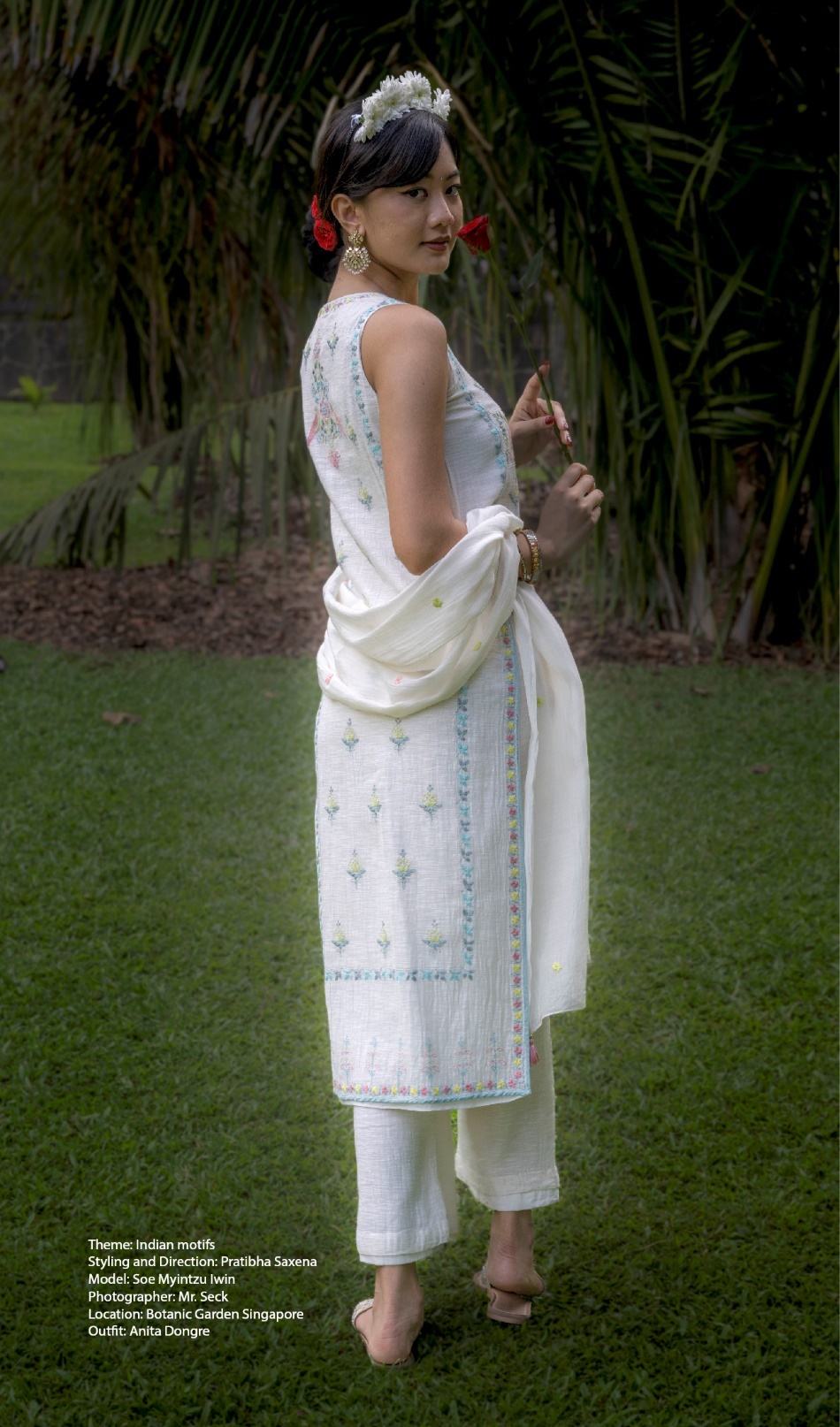
Fashion designers draw artistic inspiration from various sources, and artists constantly look out for different shapes, forms, and social, historical, and cultural references. Therefore, the fashion industry and the art world share a deep connection.
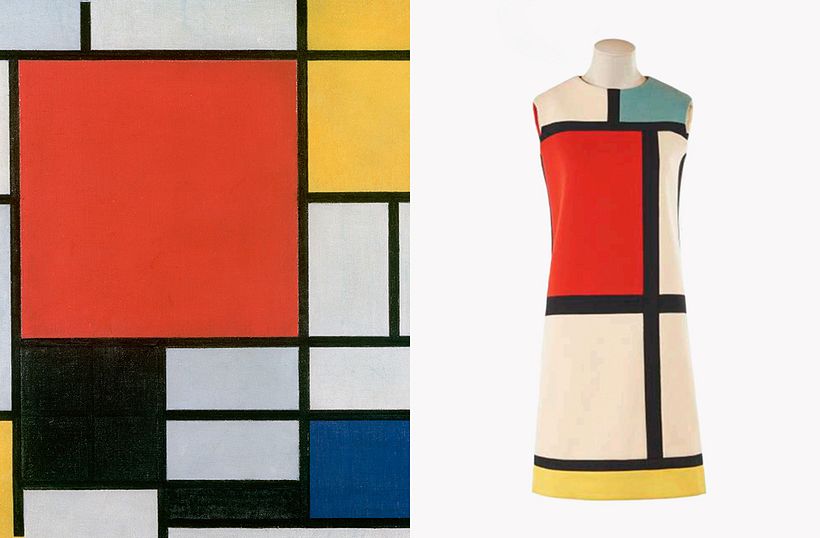
Remember Yves Saint Laurent’s Mondrian collection, inspired by Pete Mondrian’s paintings. Yves Saint Laurent once said, “I believe the work of a couturier is very much like that of an artist. In fact, I have constantly found inspiration in the work of contemporary painters Picasso, Matisse, and Mondrian.
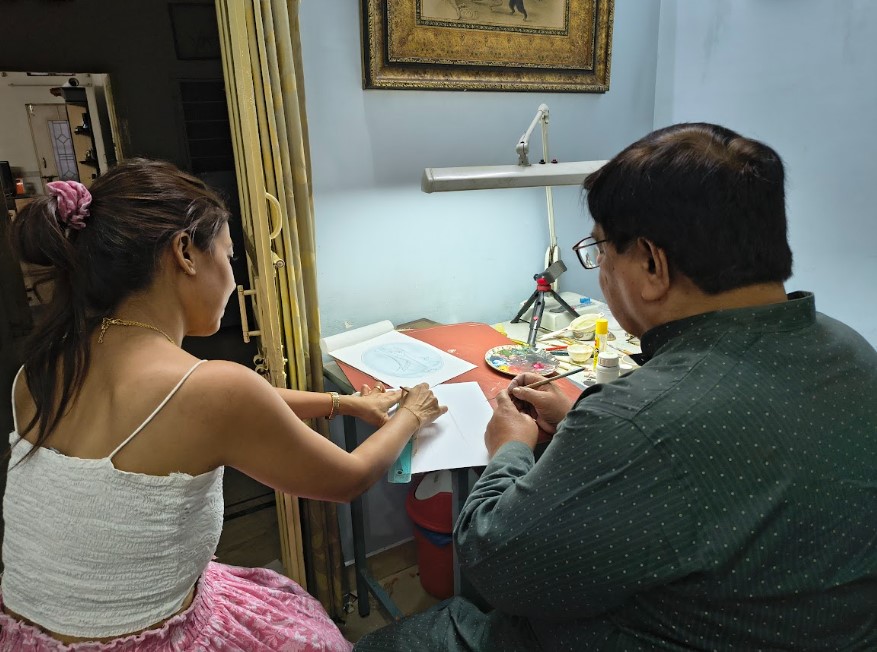
Miniature painting is one of the oldest art forms practiced in India. The paintings look stunning at first sight, but the real beauty lies in their intricacy — in the stories they depict through their infinitesimally small details, even a single strand of hair is minutely drawn.
I got the chance to learn about this delicate art from an artist, and it was fascinating to see how patience and precision come together to create such timeless pieces. Even today, in the age of modern machines, miniature artists use a brush made from squirrel hair to achieve the remarkable detail that this art demands.
The art form first appeared in the 7th century, and is believed to have been introduced by the Palas of Bengal. However, it flourished aesthetically and culturally under the patronage of Mughal rulers. Miniature art is a work of precision and was initially used to illustrate ancient manuscripts, religious texts, and royal tales on a range of materials such as palm leaves, marble, paper, wood, and cloth. This art form is made using real gold, silver, and paper, which is polished with stone for a smoother, non-porous surface. Miniature varies across regions in India based on regional aesthetics and themes.
Mughal miniature paintings were an intersection of tradition, religion, and culture, often depicting court scenes and portraits of the emperor.

However, Rajasthani miniature paintings have more vibrant colors and revolve around the love stories of Lord Krishna, and the great epics Ramayana and Mahabharata, featuring flora, fauna, and stylized landscapes.
One can find these miniature paintings preserved in the museums and forts of Rajasthan. In some parts of India, miniature painting still finds its keepers; some artists are still practicing and perfecting this art form and continuing its legacy, often under the support of royal families. A few award-winning artists also tutor this art to younger generations, though the precision of its early masters is rarely seen today, the art has managed to act as a bridge, echoing stories of the past to the present.