As global citizens, we often draw inspiration from one another’s work – from culture, art, and even literature. But problems arise when this inspiration turns into imitation without acknowledgment. Cultural erasure has become increasingly common in the fashion industry, where traditional crafts and designs are often imitated without giving due credit to their original creators.
Noticed recently how everything is looking so crafty these days in the name of boho-chic or countryside style? Whether it’s on the runway shows or cheap fast fashion websites like Shein selling it under the name of so-called “Ibiza style tops”. Yes, things can be made cheap but making things which are culturally rich, environmentally conscious and built to last, changes the narrative of fashion and consciousness behind it. The word ‘craft’ has become a catchphrase and is been used as a marketing gimmick by international and local brands.
It’s wonderful that people want to integrate craft in their style, but without awareness of that craft and the meaning behind it, is a body without its soul. It also erases the identity of the craft, the process, the artisans, the age-old sustainable practices behind it, and it even affects the livelihood of the original artisans. The big brands are stealing Indian art designs and serving cheap printed versions of them, and then an influencer promotes them as ‘luxury’ and ‘handmade’. Even products that are protected under the GI tag are being stolen by international brands, renamed, rebranded, and being sold globally as their own, stripping credit from the very communities that created them. Also, there’s not a single luxury brand in Europe that doesn’t manufacture their clothes in India but are hesitant to tag the product as “Made in India”. This feels deeply unethical and acknowledgement and fair share to the artisans is much needed now.
Below I am listing some of the age-old craft techniques, styles stolen without credit or acknowledgment:
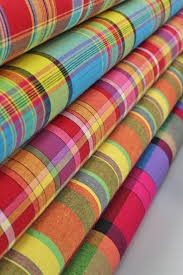
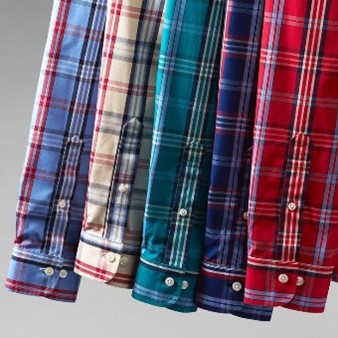
Madras checks originated in Madras some 4oo years ago. It was woven from handspun cotton by ‘Salwai’ weavers using vegetable dyes made from turmeric or indigo. Because these dyes were unstable so would bleed when washed. In 1950s, an exporter sent Madras checks to Brooks Brothers in America, but the brand forgot to inform the buyers that the fabric would bleed after washing. So, when the customers complained about their laundry being ruined due to bleeding, the advertising agent, David Ogilvy, instead of apologizing, flipped the story and rebranded it as “Guaranteed to bleed”, and this campaign became so popular with Americans that the sales skyrocketed.
Western brands such as Ralph Lauren, J.Crew, Tory Burch continue to use it and call it Plaid or Heritage check, not by its original name.No mention, no credit. These brands never mention where these checks come from and sell them for thousands of dollars, while the actual handloom industry in India is still struggling
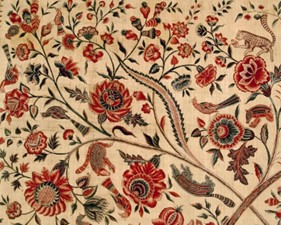
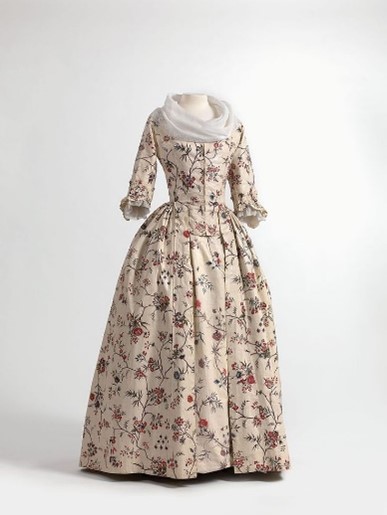
Indian artists from Andhra Pradesh used to make these swoonworthy hand-painted “Kalamkari art” derived from ‘kalam’ as pen and ‘kari’ as art onto cotton textiles. Due to global demand, “kalamkari” gave rise to chintz, an anglicized version of “Cheent,” meaning a spray of colors. These fabrics were exported worldwide, including Europe and England. It became very popular because of its vibrant colored prints and being lightweight. Later, their own textile industry could not compete with this hand-painted Indian cotton. So they banned it to protect their own products. But that did not stop the ‘Chintz’ fabric lovers from buying it. So, they started to smuggle it in and wear it secretly. In Britain, however, the import of cotton from India wasn’t banned. And so, they started creating their own cheap machine-made imitations, and sadly, somewhere down the road, the original art became forgotten. But the historians say that Indian ‘Cheent’ was the first global fashion trend.
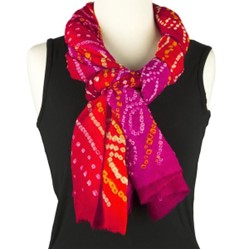
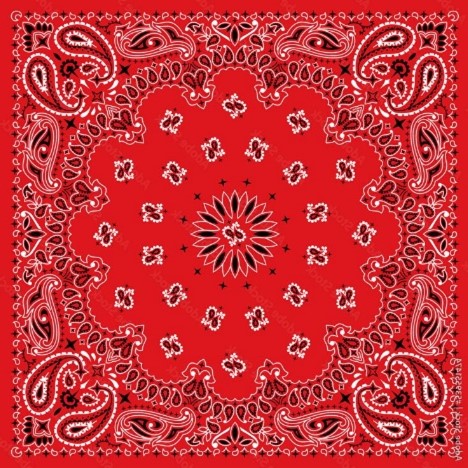
‘Bandana’ derived from the Hindi word ‘Bandhana/Bandhani” which means to tie. The British East India Company exported bandhani scarves from India in the 18th century and called them ‘Bandanna’, and made it British by calling every scarf a ‘Bandana’. The textile quickly gained popularity across Europe and America. The name was anglicized to “bandanna,” first appearing in English dictionaries in the mid-18th century. It’s amusing how the craft, which is so deeply Indian, but with the slight mispronunciation, changes the identity of the craft and is labelled as Western.
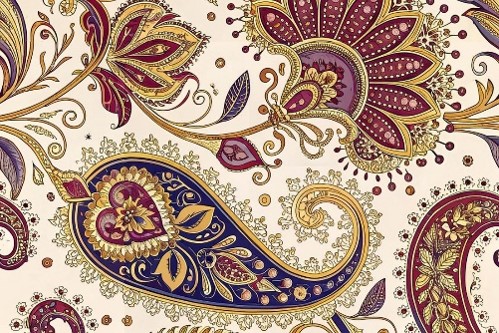
The familiar paisley pattern has its roots in the exquisite Kashmiri shawls of India. These shawls were highly sought after due to their fine craftsmanship and intricate teardrop pattern, originally known as “buta” or “kari’’ or “Amby”. The local weavers in Britain started producing cashmere-style imitations in the Scottish town of Paisley and perfected this art, therefore renaming it as Paisley, after the name of that town itself, though the skill belongs to the Kashmiri artisans of India.
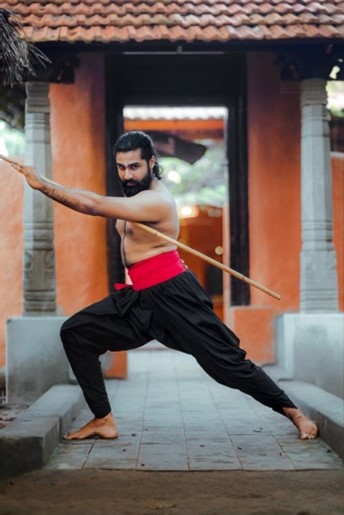
The cummerbund is considered a symbol of sophistication and fashion in the black-tie dress code in men’s fashion in the West. ‘Cummerbund’ is actually an anglicized version of ‘kamarbandh’, where ‘kamar’ means waist and ‘bandh’ means to tie. When the British colonized India, the British officers in India saw Indian men wearing ‘kamarbandh’ for storing weapons, money, and handkerchiefs. They found it functional and more appropriate than waistcoats in the hot Indian weather, and at the same time, fashionable. When they got back to Britain, they took it home and anglicized the name to “cummerbund”.
Prada served us India’s GI-tagged Kolhapuri chappals on Milan fashion Runway this year. The brand failed to mention the cultural context, its origin, and the craft that has been perfected by artisans of Maharashtra, India, for centuries, and sells it for thousands of dollars, whereas in India is sold for 30 to 40 dollars. The brand faced a serious backlash, after which they decided to open a dialogue with Indian artisans.
Dior showcased a coat at Paris Fashion Week with Mukaish embroidery on it. Around 12 Indian artisans worked on that for over a month and made it possible, but the brand failed to mention the artisans and the craft itself. Mukaish is a centuries-old metal embroidery technique. It is practiced by craftsmen in Lucknow and Gujarat, India.

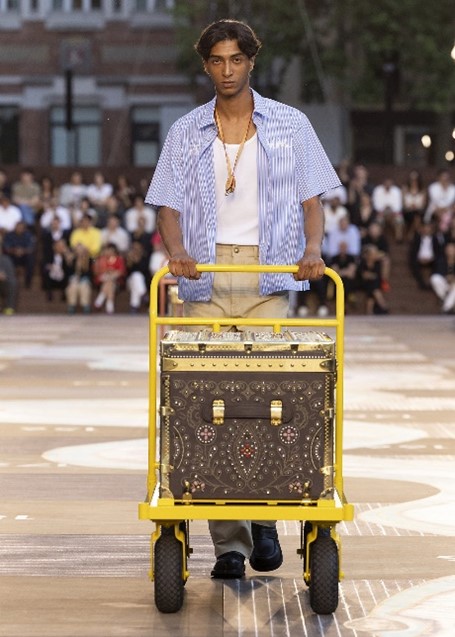
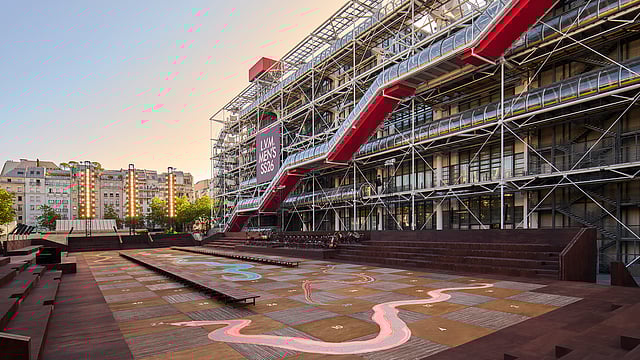
Louis Vuitton recently set an inspiring example for the global fashion industry. Their latest fashion show in Paris, “Paris-India” wasn’t just themed around India; it was built in collaboration with Indian talent. The set, inspired by the traditional game of Snakes and Ladders, was designed by an Indian architect, Bijoy Jain, using plant based natural materials. Legendary Indian musician, ‘A.R. Rahman’, did a live performance of a new Punjabi track, while the collection itself drew inspiration deeply from Indian aesthetics — the colors, motifs, and embroidery all paying homage to the country’s artistic heritage. It was a rare moment where fashion celebrated its inspiration with honesty and respect.
We can go on and on about this, but it’s actually time that the world should start acknowledging and crediting farmers, laborers, and artisanal communities for the value they bring to the world. If we are inspired by a region’s craft and its techniques, then we must honor and credit the people who kept it alive- because without them, these techniques would not exist for brands to use today.
The preservation of these crafts lies in recognizing their value- by learning about them, engaging with the artisans, and passing this awareness forward, so others, too, can value the heritage woven into our cultures.